Hurricane season runs from June 1 through November 30, and here in Houston, we do not have to wait for a named storm to get serious rain. Between Gulf moisture, afternoon thunderstorms, and tropical systems rolling in from the coast, your home must manage a lot of water in a short amount of time.
One of the most important parts of that defense is your gutter system.
When your gutters are clean, properly pitched, and draining away from your home, they quietly do their job. But when they are clogged, loose, leaking, or too small for Houston rain, even one heavy storm can send water over the edge, down your siding, around your landscaping, and right toward your foundation.
In Houston, that matters even more. Our clay soil expands when it gets wet and shrinks when it dries out, which can put extra stress on your home’s foundation. The last thing you want before hurricane season is water dumping right next to your house because your gutters were not ready.
The good news is that a little prep now can help you avoid bigger problems later. Here is a simple pre-season gutter checklist to help you get ahead of the next big storm.
Your Pre-Season Gutter Checklist
1. Clear Out Leaves, Twigs, and Roof Debris
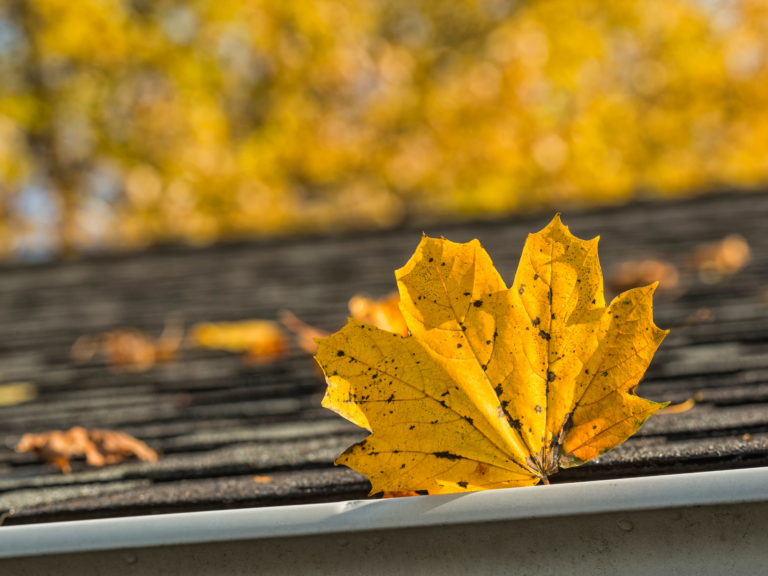
Start by removing anything sitting in the gutter troughs. Leaves, small branches, pine needles, roof grit, and old shingle granules can build up over time and block water from flowing where it should.
A clogged gutter usually does not become obvious until the rain is coming down hard. By then, water may already be spilling over the sides and landing too close to your home.
2. Flush the Downspouts
Once the gutters are cleared, run water through the system with a hose. Make sure water flows freely through each downspout and exits at the bottom.
If water trickles out slowly, backs up, or does not come out at all, there may be a clog inside the downspout. During a Houston downpour, that blockage can cause the entire gutter run to overflow.
3. Check Where the Water Is Going
Your gutters are only doing their job if they move water away from the house. Downspouts should drain several feet away from the foundation, not straight down at the base of your home.
If your downspouts are dumping water right next to the slab, you may need an extension or splash block to help direct that water farther away.
4. Look for Sagging or Pulling
Gutters should sit firmly against the fascia and maintain a steady line toward the downspouts. If you see sections sagging, bowing, or pulling away from the home, that is a sign the system may be under stress.
Loose gutters can get worse quickly during a storm, especially when they fill with water and debris. What looks like a small dip now can turn into a much bigger issue once heavy rain arrives.
5. Inspect Seams, Joints, and Leak Points
If your home has older sectional gutters, pay close attention to the joints. Seams are one of the most common places for leaks to show up as the system ages.
Look for gaps, rust, separation, or water stains around those areas. If you see frequent leaks or dripping during rain, it may be a sign that your current system is ready to be replaced with seamless gutters.
6. Confirm the Gutter Slope
Gutters need a slight pitch toward the downspouts, so water keeps moving. If water sits in the gutter after a rain, the slope may be off.
Standing water adds weight to the system, attracts pests, and increases the chance of overflow. It can also be a sign that the gutters were not installed correctly or have shifted over time.
7. Check the Fascia and Soffit
Look at the wood and trim behind and underneath the gutters. Peeling paint, staining, soft spots, mildew, or rot can mean water has been getting where it should not.
This is one of those issues you want to catch early. If the fascia is damaged or weakened, the gutters may not stay securely attached when heavy rain and wind move in.
8. Make Sure Your Gutters Can Handle Houston Rain
Some older homes still have smaller or aging gutter systems that may not be enough for Houston’s heavy downpours.
If your gutters overflow every time it rains hard, even after they have been cleaned, the issue may not be a simple clog. Your current gutter system may be undersized, poorly pitched, or past its useful life.
That is when upgrading to a properly sized seamless gutter system can make a major difference.
9. Trim Back Overhanging Branches
Branches hanging over your roof can fill your gutters with leaves and debris fast. During high winds, they can also break loose and damage your roof, gutters, or siding.
Trimming limbs back before hurricane season helps reduce clogs, protects your roofline, and lowers the risk of storm damage.
10. Consider Gutter Leaf Guards
If your home is surrounded by trees and you are cleaning your gutters every few weeks, gutter leaf guards may be worth considering.
Leaf guards help reduce the amount of leaves, twigs, and debris that enter the gutter system. They do not eliminate maintenance completely, but they can make it much easier to keep water flowing when the weather gets rough.
When to Call a Professional
Some gutter prep can be done from the ground or from a sturdy ladder. But if your home is two stories, your gutters are separating from the fascia, or you are seeing signs of water damage, it is better to call a professional.
Houston heat, high ladders, and storm prep are not a great combination. A quick inspection before hurricane season can help you understand whether your current gutters are doing their job or whether it is time to upgrade.
The Boss Hogg Roofing Difference
At Boss Hogg Roofing, we specialize in seamless gutters and gutter leaf guards built for Houston weather.
Our seamless gutter systems are custom fit to your home, which means fewer joints, fewer leak points, and a clean look along your roofline. We make sure your gutters are sized appropriately, pitched correctly, and designed to move water away from your siding, landscaping, and foundation.
If your home needs extra protection from leaves and roof debris, we can also install gutter leaf guards to help reduce clogs and keep water flowing during heavy rain.
If your current gutters are constantly overflowing, pulling away, leaking at the seams, or failing to keep up during Houston storms, it may be time to replace them with a seamless gutter system designed for the job.
Schedule Your Free Gutter Inspection
If you are not sure your gutters are ready for hurricane season, now is the time to check. Schedule a free inspection with Boss Hogg Roofing, and we will let you know whether your current system is holding up or whether it is time to upgrade to seamless gutters or gutter leaf guards.
Be the Boss Your Home Deserves.